

The United States and Iran have agreed to a peace plan that is expected to bring an end to the three-month conflict that unsettled global markets and pushed energy prices to multi-year highs.
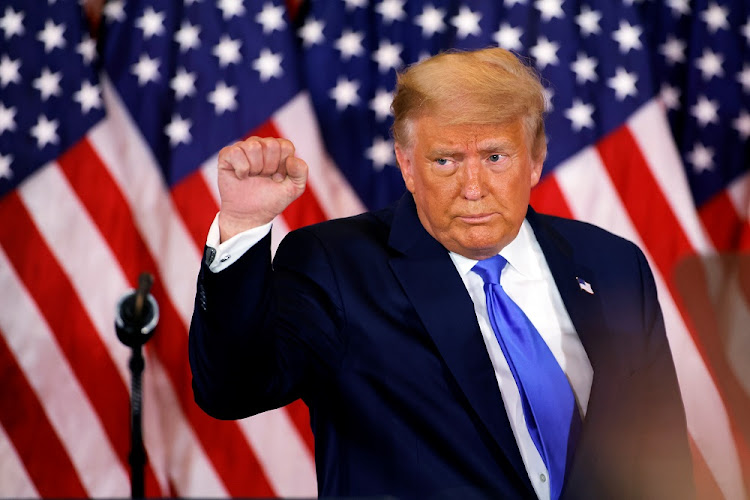
U.S. President Donald Trump disclosed the development on Sunday in a post on his Truth Social platform, stating that an agreement with the Islamic Republic of Iran had been completed.
The announcement also included the lifting of a weeks-long U.S. naval blockade of Iranian ports and the reopening of the Strait of Hormuz to global shipping.
Global oil prices fell sharply after the deal was announced, as investors priced in the prospect of improved energy supplies and reduced geopolitical risk. The war had triggered inflationary pressures globally, with crude oil prices rising to as high as $130 per barrel.
Nigerians have also felt the impact of the conflict, with fuel prices rising sharply and reigniting inflationary pressures that had earlier started to ease in the second half of 2025.
With the war potentially over, expectations are that the global economy could begin to recover, and Nigeria will not be left out.
In this article, we explain what the peace deal could mean for the Nigerian economy.
Fuel prices
The most immediate impact of the end of the war is the expected decline in crude oil prices.
At the start of the conflict, crude oil was trading just below $70 per barrel before rising to as high as $120, sending energy prices to record levels.
In Nigeria, petrol prices rose from about N850 per litre to as high as N1,350 per litre. In some parts of the country, prices climbed above N1,400 per litre.
Nigeria now operates a largely market-based fuel pricing system, especially since the removal of petrol subsidy. This means pump prices are influenced by movements in global crude oil prices and exchange rates.
With a peace deal now signed and the Strait of Hormuz reopened, Nigeria could begin to see fuel prices gradually fall toward pre-war levels. This may take a few weeks, but it is likely if the deal holds and crude oil prices continue to decline.
Inflation
Latest data from the National Bureau of Statistics show that Nigeria’s inflation rate stood at 15.9% in May 2026.
Since the war began, Nigerians have faced higher prices for goods and services, especially food. This has been driven by imported inflation, higher fuel prices, and increased logistics costs.
These pressures have weakened the purchasing power of households and made everyday living more expensive.
With the peace deal signed, the reopening of the Strait of Hormuz is expected to ease global energy prices and logistics costs. This should have a positive impact on Nigeria by helping to stabilise the cost of goods and services.
For ordinary Nigerians, this could mean a slower rise in prices and more disposable income to spend on other needs.
Government revenue
Despite the removal of petrol subsidy, Nigeria’s fiscal buffers have remained under pressure. The government continues to run large fiscal deficits, forcing it to increase public debt to fund critical capital projects.
However, while the war had many downsides, the government benefited from higher crude oil prices, even though Nigeria has struggled to significantly increase oil production.
Higher crude prices helped support government revenue and narrowed the pressure on deficits.
But with the war essentially over, crude oil prices could continue to fall, affecting government revenue. The good news is that the 2026 budget was benchmarked at $75 per barrel, meaning the impact may not be too severe if oil prices remain around that level.
Exchange rate
Nigeria has enjoyed a relatively stable exchange rate since the start of the year. In fact, the first quarter recorded about $10 billion in capital inflows, according to the NBS Capital Importation Report.
Higher crude oil prices also support Nigeria’s external reserves because oil remains the country’s biggest source of foreign exchange earnings.
With oil prices now expected to decline, there could be some pressure on external reserves, which may also affect the exchange rate.
However, there is another side to the story. Nigeria is also a major importer, and imports are paid for with foreign exchange. If global inflation falls and energy prices decline, the cost of imported goods could also ease.
This could partly offset the negative impact of lower crude oil earnings.
Investments and interest rates
Nigeria relies heavily on foreign portfolio investments to support exchange rate stability and fund its borrowing needs.
With inflation rising globally during the war, Nigeria had to maintain high interest rates to attract debt-related foreign inflows.
Now that a peace deal has been signed, global inflation is expected to ease, which could eventually lead to lower interest rates.
If interest rates fall globally, frontier markets like Nigeria could benefit from renewed investor appetite.
Lower borrowing costs for government could also translate to lower borrowing costs for businesses. Interest rates, which have remained elevated, may begin to ease if inflation continues to moderate.
When businesses borrow at lower rates, they are better positioned to expand, invest, and hire more people.
Stock market
Lower interest rates could also support the Nigerian stock market.
Domestic investors still account for more than 80% of transactions on the Nigerian Exchange, but foreign investors remain important for liquidity and market depth.
With Nigeria now attracting renewed attention from global investors, the peace deal could become an important trigger for additional portfolio flows.
Once global interest rates begin to fall, foreign investors may borrow more cheaply and channel some of those funds into frontier markets like Nigeria.
This could provide a further boost to the stock market, which is already up about 60% year-to-date.
Investors who position early could benefit significantly if foreign inflows increase and market sentiment improves.