

The war in Iran has just ended, but as with most major shocks, the implications are likely to be far-reaching.
The direct and indirect impacts have been written about by many others, mostly relating to energy prices, as the Strait of Hormuz was closed during the conflict, with roughly 25% of crude oil and natural gas products normally passing through before the war.
For Nigeria, although we did not really have any availability problems as we are a major crude oil producer, the indirect impact came through key energy prices: fuel, diesel, and natural gas.
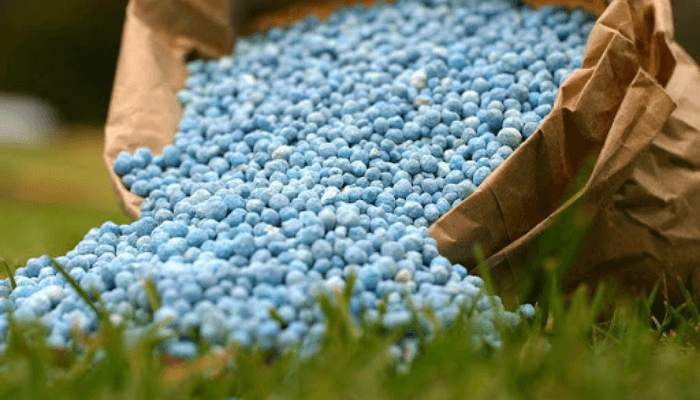
Natural gas is a key component for fertilizers these days. And fertilizer is systematically important because it is a key input to agriculture, which still employs about 34% of the population as of 2025.
The timing of the war was also important. It started on February 28th and is just wrapping up now in June. Nigeria’s key planting season, where you would expect farmers to need fertilizer the most, is typically around March or April once the rainy season starts.
You would think the combination of the importance of agriculture and the importance of fertilizer for agriculture would mean we systematically track its prices and availability. But surprisingly, the National Bureau of Statistics does not appear to do so.
In fact, no one really does. Or at least I have not found any publicly available source. A big oversight for sure. How are our policymakers making policy to respond to this really important global shock without data?
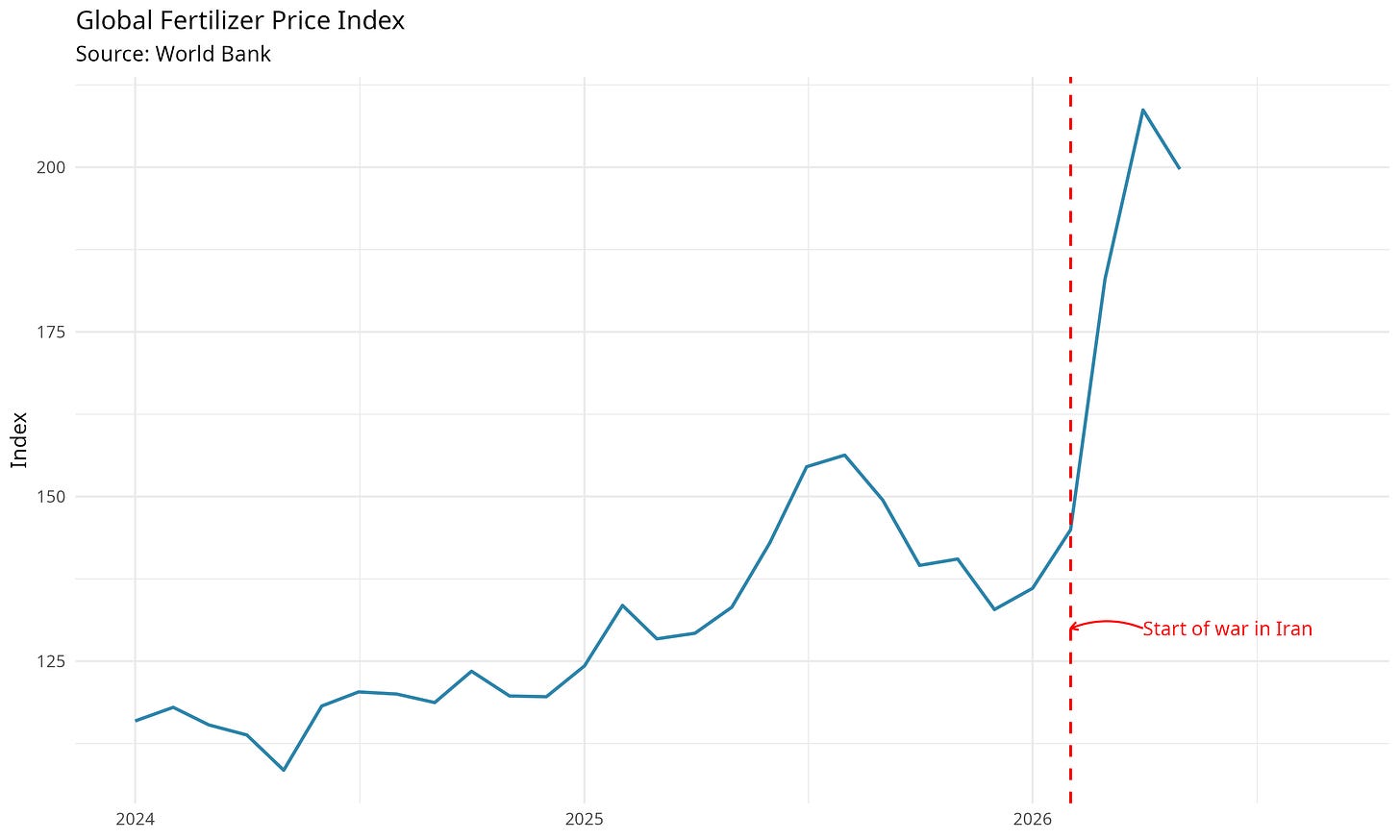
In case you are wondering, international fertilizer prices increased significantly as a result of the crisis according to the World Bank’s fertilizer price index. The prices for Urea, the key component made from natural gas, more than doubled over the period. Did that translate to local prices? We don’t know. Did that mean farmers used less fertilizer because of the price shock? We don’t know. Will that imply lower yields and lower output come harvest season? We don’t know. Does that mean lower food supply and therefore higher prices and higher-than-expected food inflation? We don’t know.
This does not seem like a good way to do policymaking and manage shocks. Or maybe I am the one who does not know. If you have any systematically collected data on fertilizer prices in Nigeria, please let me know.
I’m now also wondering what other systematically important data we just aren’t collecting.